 4:37
Roman Numerals to 1000 | How to Read and Write Them
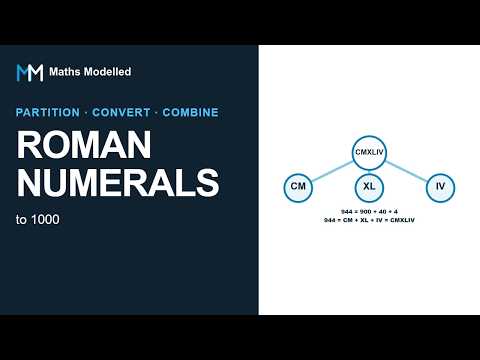
Read and write Roman numerals by partitioning a number, converting each part and combining the groups.
With a linked lesson and an interactive tool
Watch and explore © 2026 Maths Modelled
Watch · understand · try
Explore clear explanations for Years 5 and 6, then try the matching interactive tool or open the teaching lesson. Videos and tools are free to use; teaching lessons require a teacher account.
32 videos
No videos match these filters yet. Choose another year or topic, or use Clear filters.
4:37Read and write Roman numerals by partitioning a number, converting each part and combining the groups.
With a linked lesson and an interactive tool
Watch and explore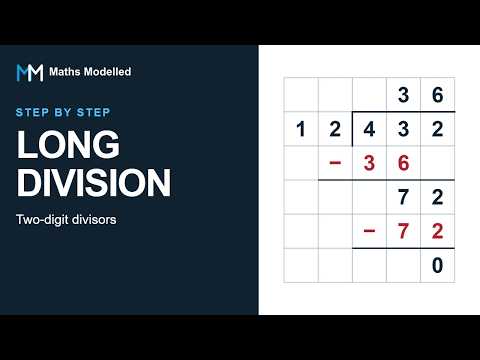 5:08
Work through 432 ÷ 12 on an aligned grid, understand each digit's place value, then try 552 ÷ 12.
With a linked lesson and an interactive tool
Watch and explore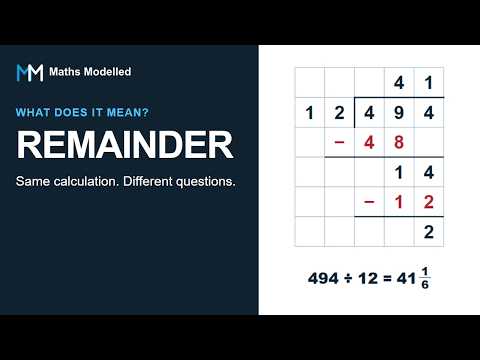 6:08
Keep 494 ÷ 12 and explore how the question changes the answer you need to report.
With 2 linked lessons and an interactive tool
Watch and explore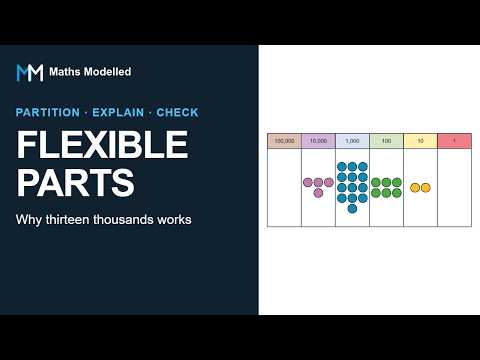 1:33
Exchange one ten-thousand for ten thousands and make a different partition of 53,620.
With a linked lesson and an interactive tool
Watch and explore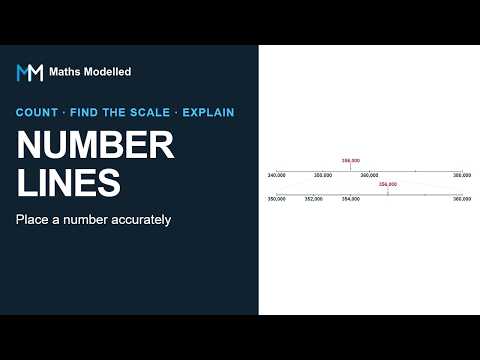 1:59
Locate 356,000 by finding the main scale, enlarging one interval and counting the smaller gaps.
With a linked lesson and an interactive tool
Watch and explore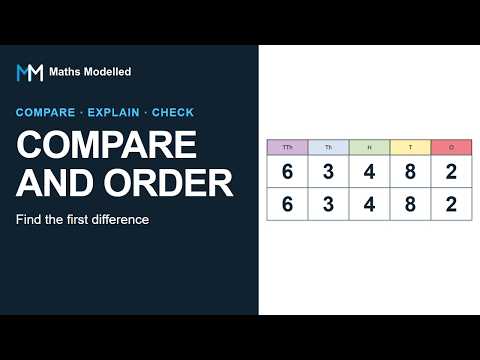 1:27
Compare 63,482 and 63,428 by finding the first different digit from the greatest place.
With a linked lesson and an interactive tool
Watch and explore 1:41
Use the halfway value to explain why 63,492 and 63,502 round to different thousands.
With a linked lesson and an interactive tool
Watch and explore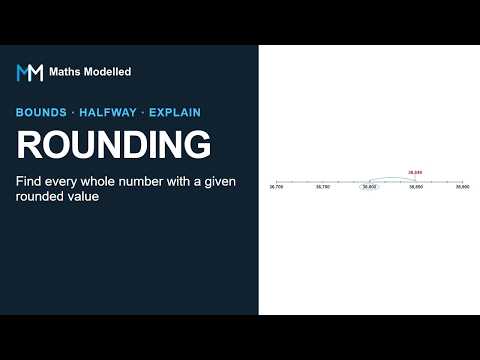 2:09
Work backwards to find every whole number that rounds to 36,800 to the nearest hundred.
With a linked lesson and 2 free tools and games
Watch and explore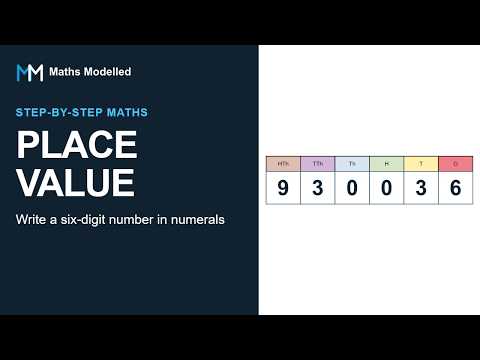 0:41
Write 930,036 by reading the thousands group and the final three places, keeping the zero placeholders.
With a linked lesson and an interactive tool
Watch and explore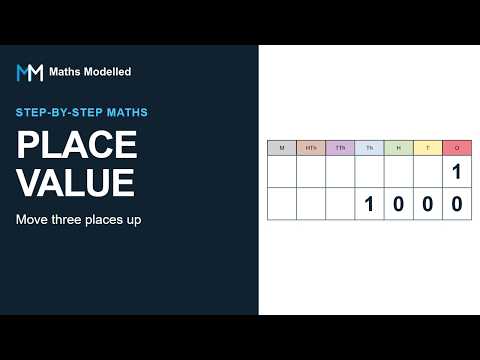 1:33
Build 1,000 times the size of one through three successive factors of ten, connecting exchanges to digit value.
With a linked lesson and an interactive tool
Watch and explore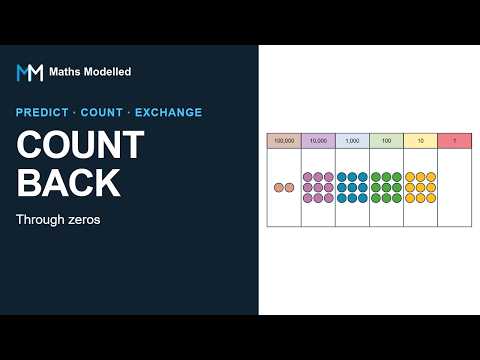 2:12
Count backwards six steps of ten from 200,030, exchanging through empty places and keeping the step size unchanged.
With a linked lesson and an interactive tool
Watch and explore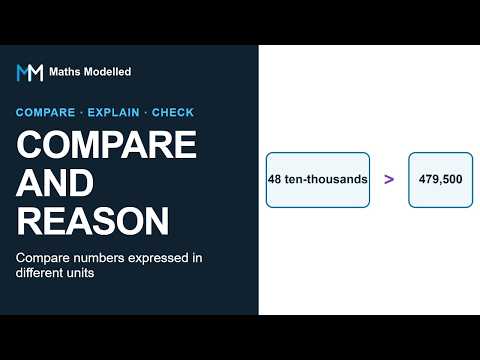 1:20
Convert 48 ten-thousands into 480,000, then compare it with 479,500 using the first different place.
With a linked lesson and 2 free tools and games
Watch and explore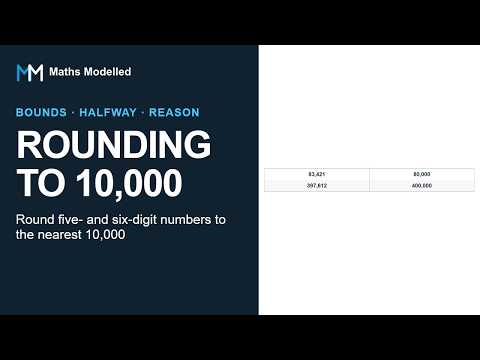 1:51
Use bounding multiples and halfway to round 83,421 and 397,612 to the nearest 10,000, including a boundary crossing.
With 2 linked lessons and 3 free tools and games
Watch and explore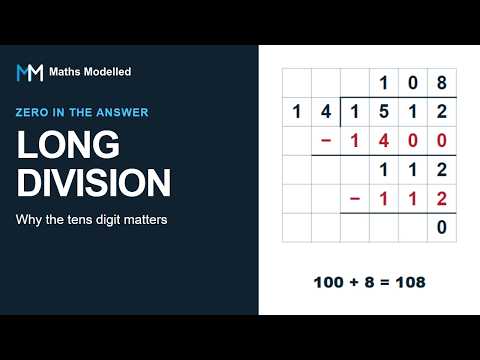 5:53
Explain why 1,512 ÷ 14 = 108 needs a zero in the tens column, then try 1,428 ÷ 14.
With a linked lesson and 2 free tools and games
Watch and explore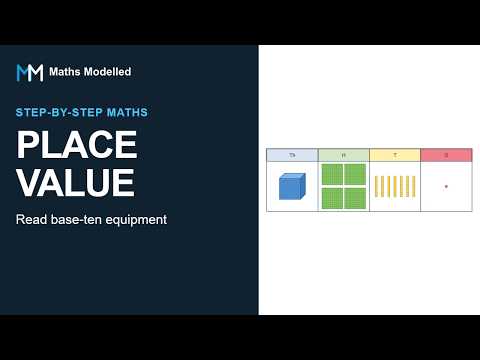 0:55
Connect base-ten equipment, place-value parts and number words to read 1,471.
With a linked lesson and 2 free tools and games
Watch and explore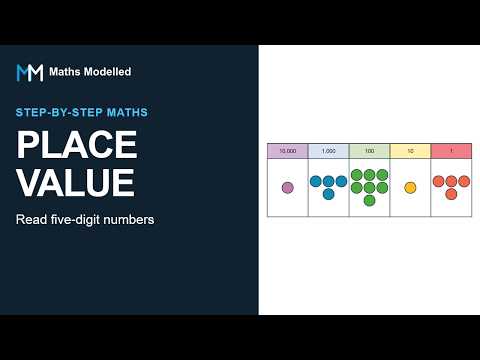 0:59
Read 14,714 from place-value counters and connect its parts to the numeral and number words.
With a linked lesson and 2 free tools and games
Watch and explore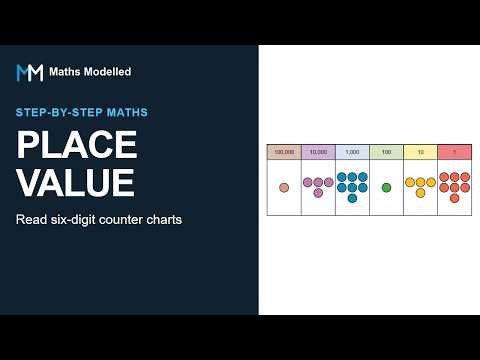 1:04
Read 147,147 from a six-column counter chart and connect the thousands group with the final three places.
With a linked lesson and 2 free tools and games
Watch and explore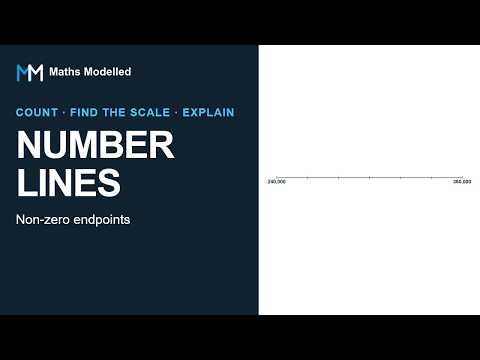 1:11
Find the value of one interval from 240,000 to 360,000 by subtracting the endpoints and counting six equal gaps.
With a linked lesson and an interactive tool
Watch and explore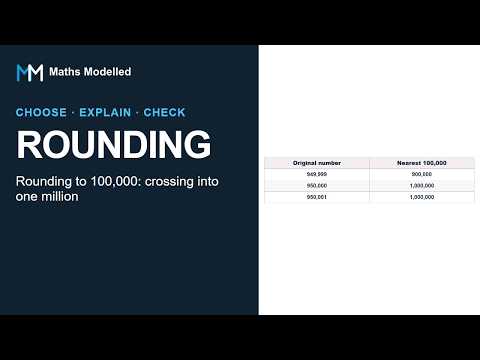 2:06
Compare 949,999, 950,000 and 950,001 to explain rounding just below, exactly at and just above halfway.
With a linked lesson and 3 free tools and games
Watch and explore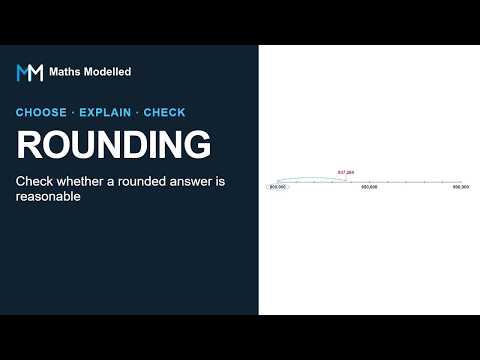 1:55
Check the claim that 837,264 rounds to 900,000 by comparing the bounds, halfway and distances.
With a linked lesson and 3 free tools and games
Watch and explore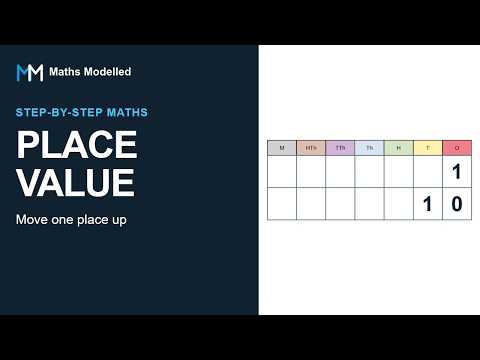 0:47
Connect 1 × 10 = 10 to ten ones, one exchanged ten and a digit with ten times the value.
With a linked lesson and 2 free tools and games
Watch and explore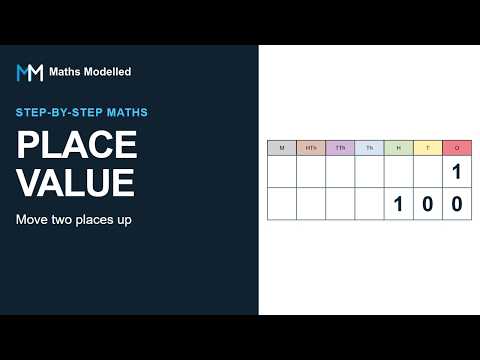 1:09
Build 100 times the size of one through two successive factors of ten, connecting exchanges and digit value.
With a linked lesson and 2 free tools and games
Watch and explore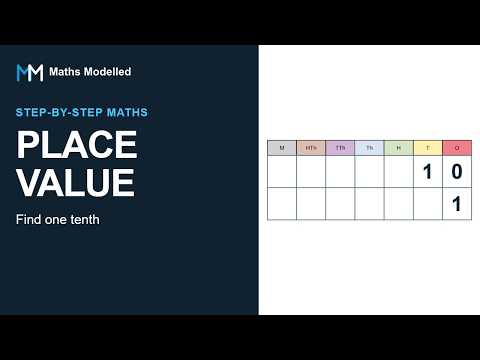 0:54
Find one tenth of 10 by exchanging one ten for ten ones and selecting one equal part.
With a linked lesson and 3 free tools and games
Watch and explore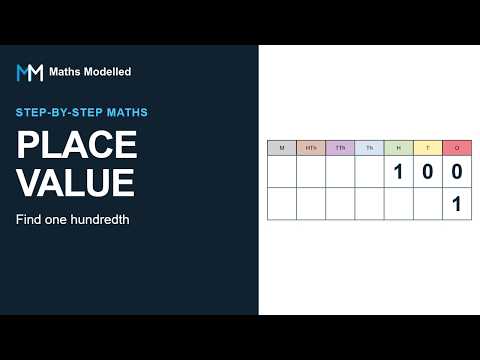 1:25
Find one hundredth of 100 through two stages of exchanging and selecting one tenth of the current value.
With a linked lesson and 3 free tools and games
Watch and explore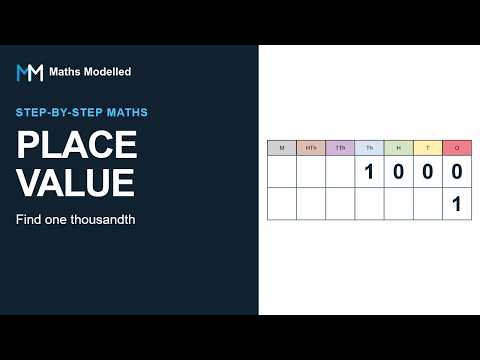 1:57
Find one thousandth of 1,000 through three stages of splitting into ten equal parts and taking one part.
With a linked lesson and 3 free tools and games
Watch and explore 1:21
Start with 303,030 on a Gattegno chart and organise every total from two specified moves of different counters.
With a linked lesson and an interactive tool
Watch and explore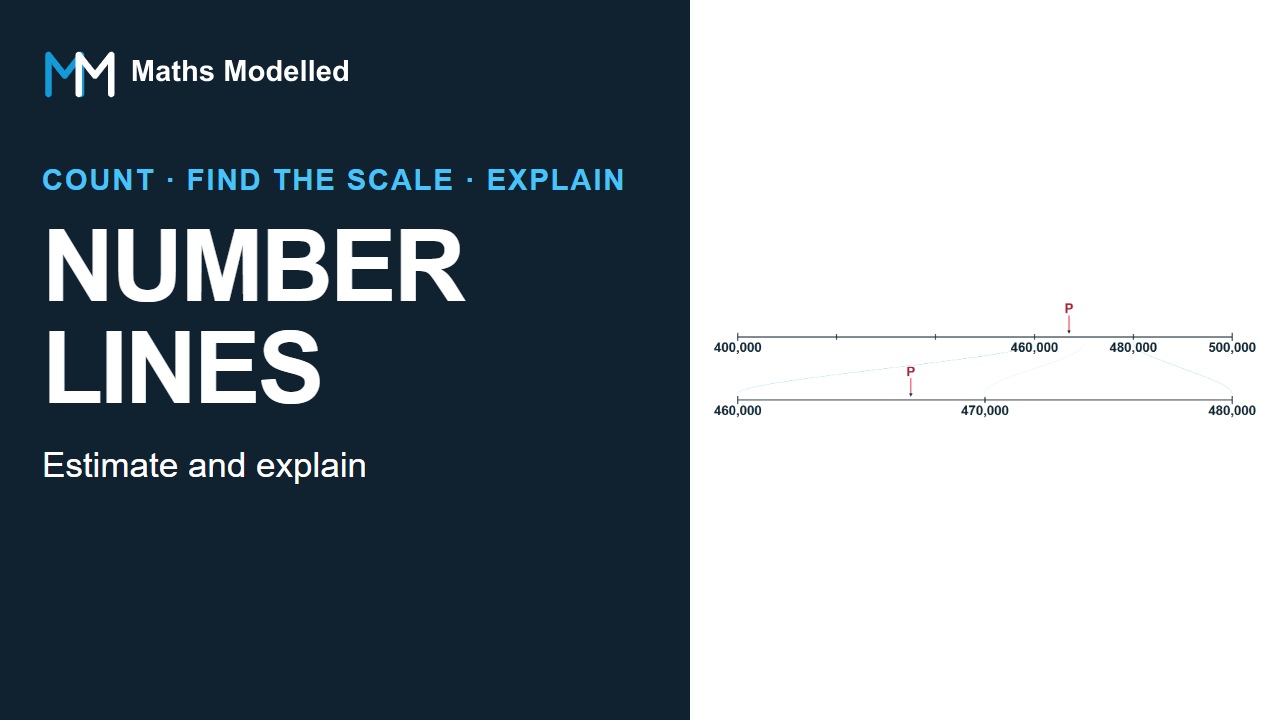 1:45
Use interval values and a halfway benchmark to estimate a number on a line and explain how precise the estimate can be.
With a linked lesson and an interactive tool
Watch and explore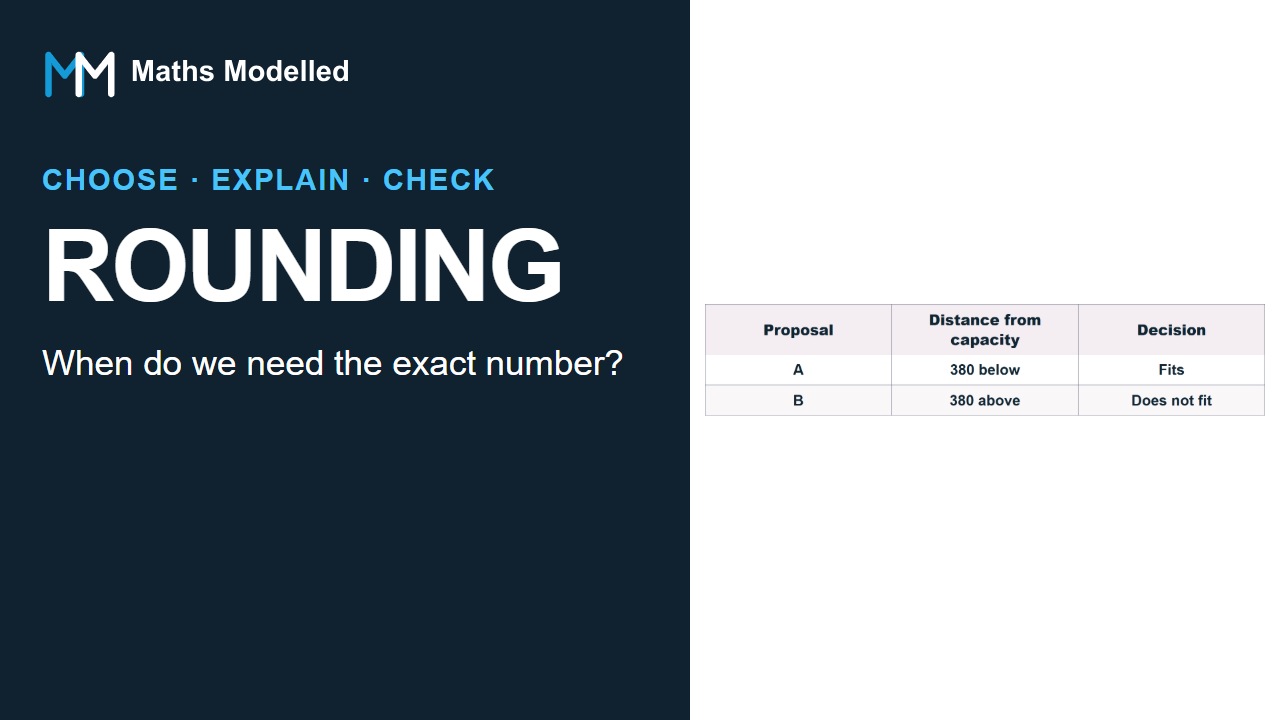 2:07
Compare two proposed attendance totals with a venue’s capacity and see when a rounded estimate is useful and when an exact number is needed.
With a linked lesson and an interactive tool
Watch and explore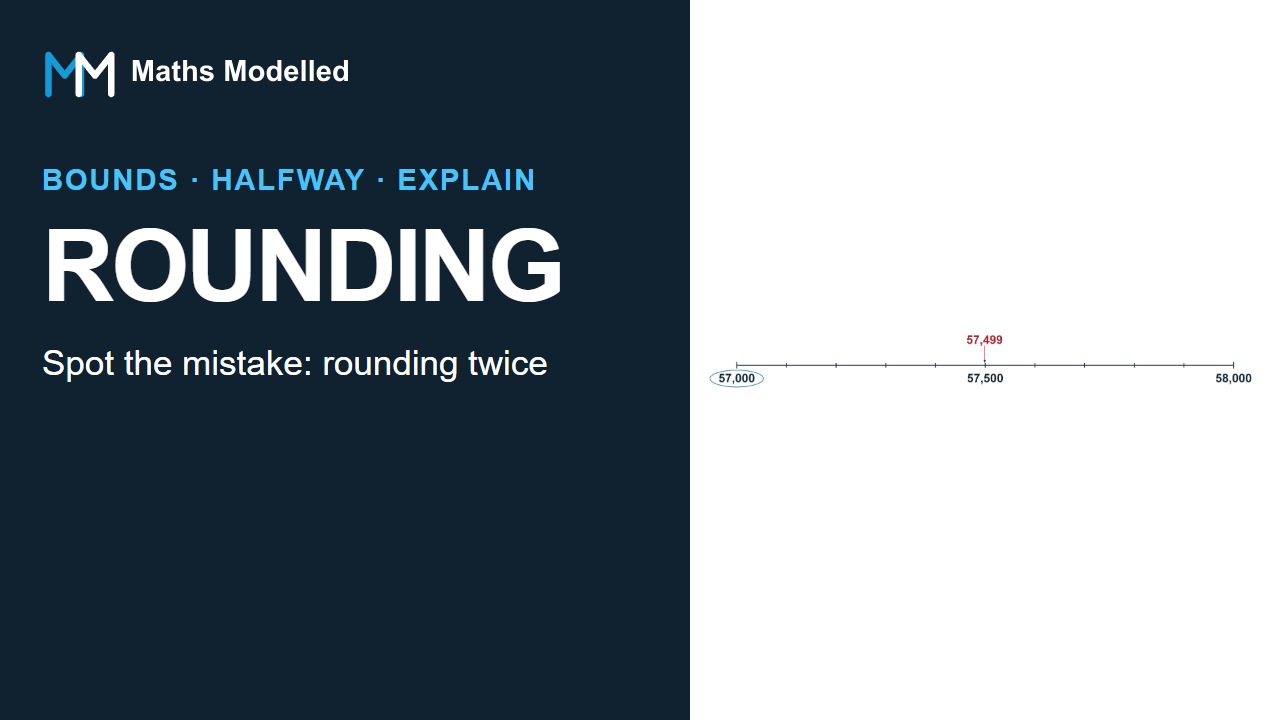 1:47
Compare rounding 57,499 directly to the nearest 1,000 with rounding to the nearest 100 first.
With a linked lesson and an interactive tool
Watch and explore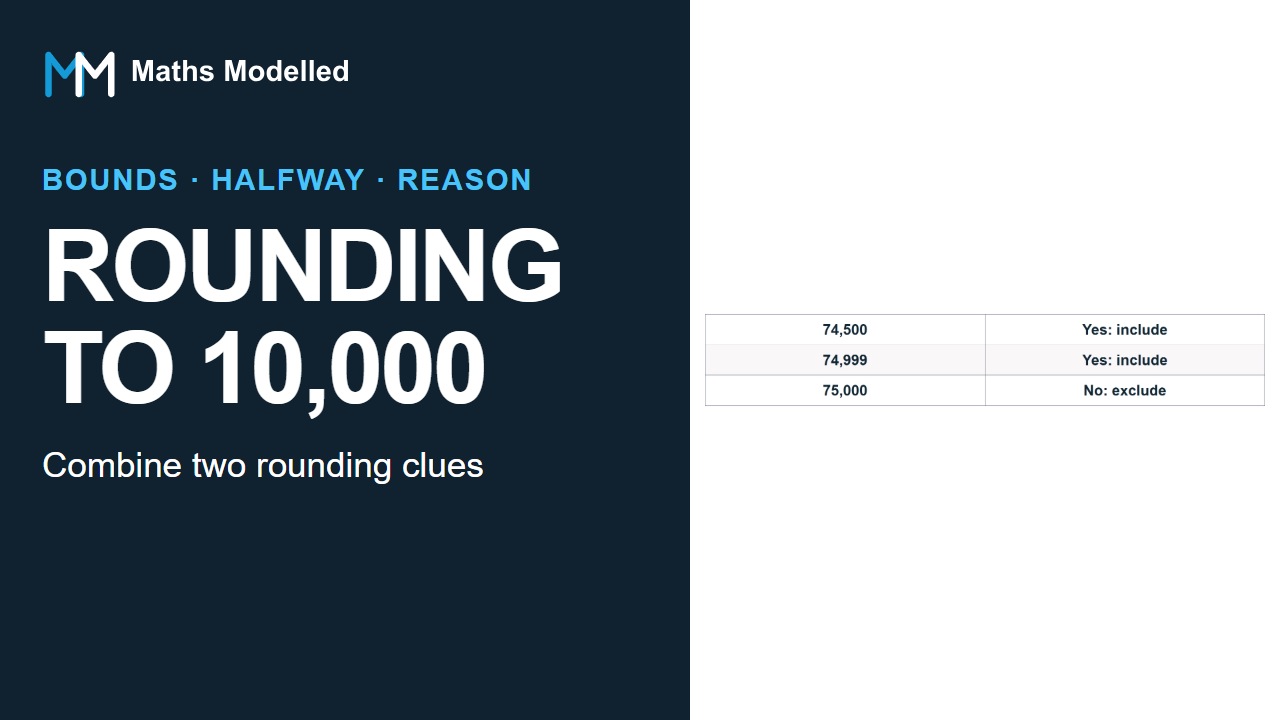 2:47
Find every whole number that satisfies two rounding clues by finding where the two ranges overlap.
With a linked lesson and 2 free tools and games
Watch and explore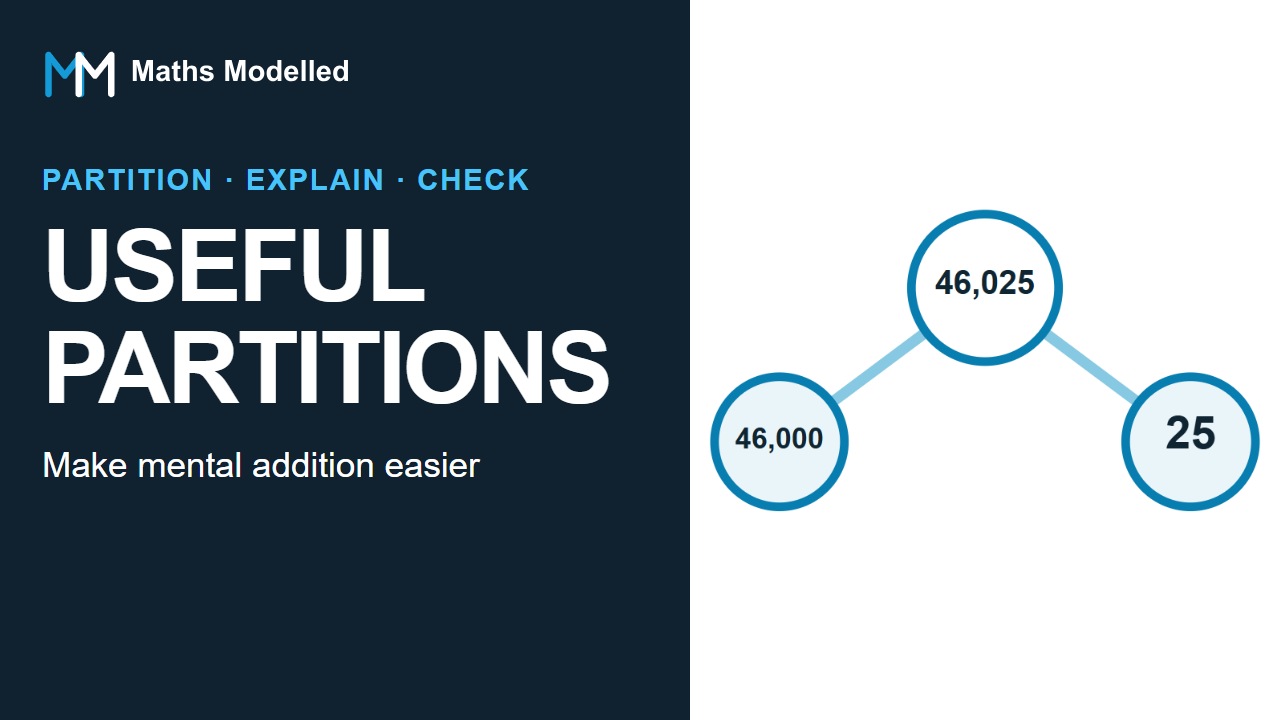 1:30
Split 46,025 and 3,004 into parts that make the addition easier, then recombine them.
With a linked lesson and an interactive tool
Watch and explore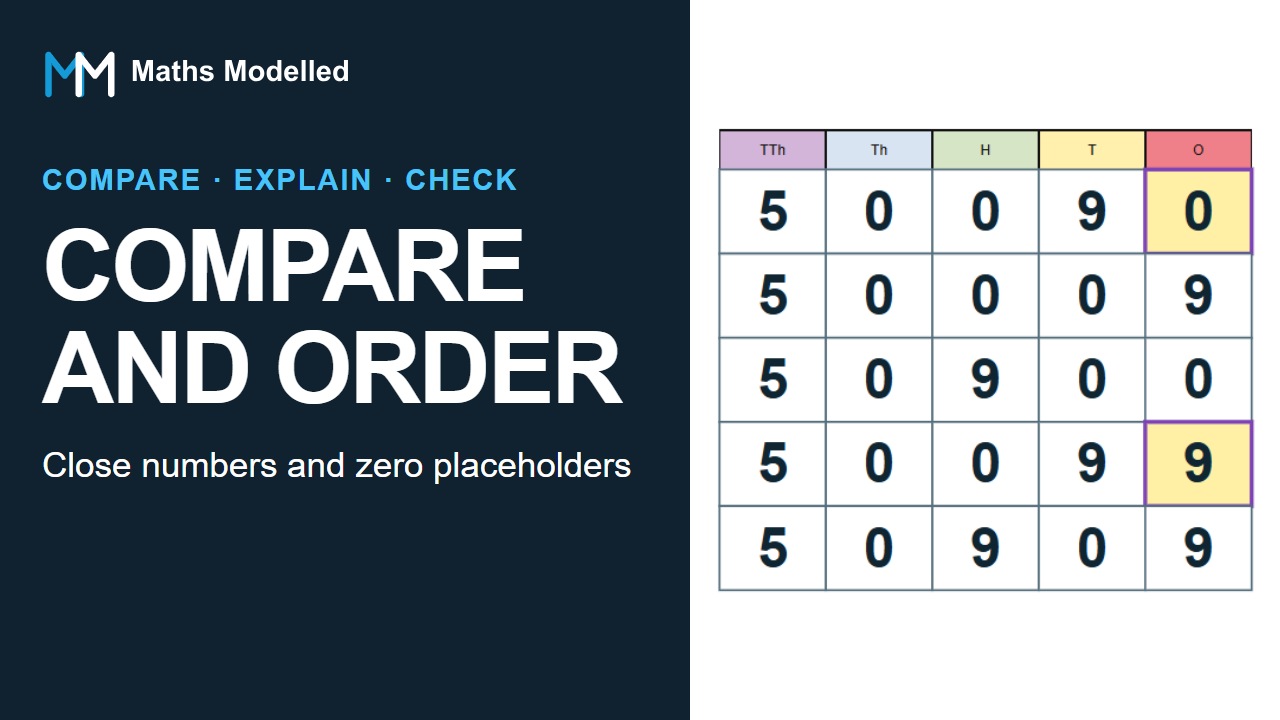 2:15
Order five closely related numbers by comparing matching place-value columns, including columns with a zero digit.
With a linked lesson and an interactive tool
Watch and explore